Aspen Airport is open all winter. Flying in summer 2027? Plan around the closure.
 0
0
Your Favorites
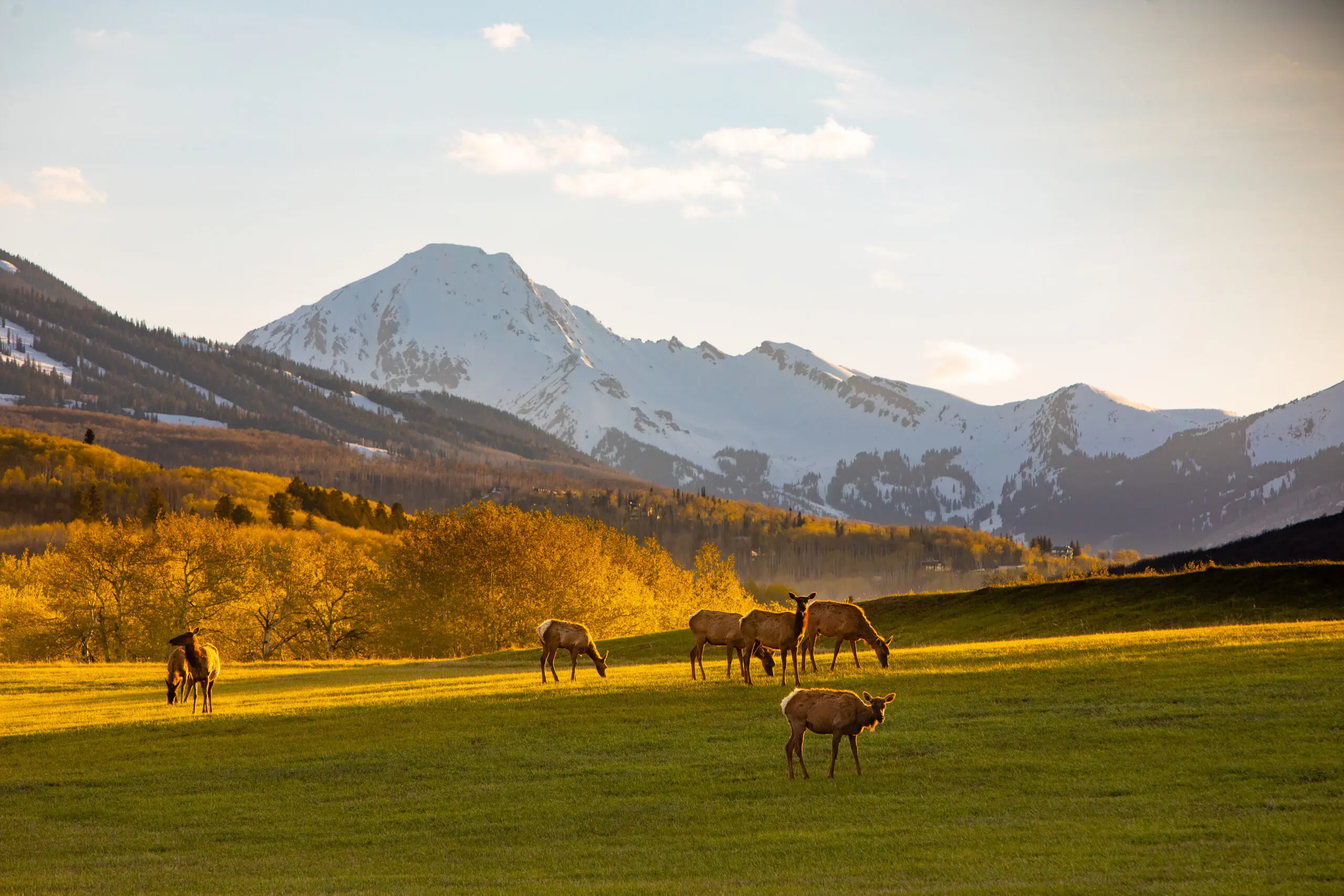
While we would all love to get on our bikes and lace up our hiking boots first thing in the spring, spring trail closures are essential to observe. If you’re a fan of Snowmass in May, you’re not the only one who appreciates the peace and quiet. While outdoor recreation slows down in the shoulder season, the wilderness areas in and around Snowmass become nurseries for wild animals, including one of Colorado’s most iconic residents: the Rocky Mountain elk.
Every year from late April through June, specific trails in Snowmass observe spring trail closures to protect a critical, and an increasingly vulnerable, part of our ecosystem—the calving grounds of the Avalanche Creek elk herd. The Avalanche Creek herd has always called Snowmass home—from the headwaters of Willow Creek to Owl Creek Road and Sky Mountain Park. The definition of “home” for these animals is hardwired into their DNA. In other words, the migratory route and seasonal grounds of these elk has not changed and likely will not change, even as Snowmass Village grows and evolves as mountain destination.
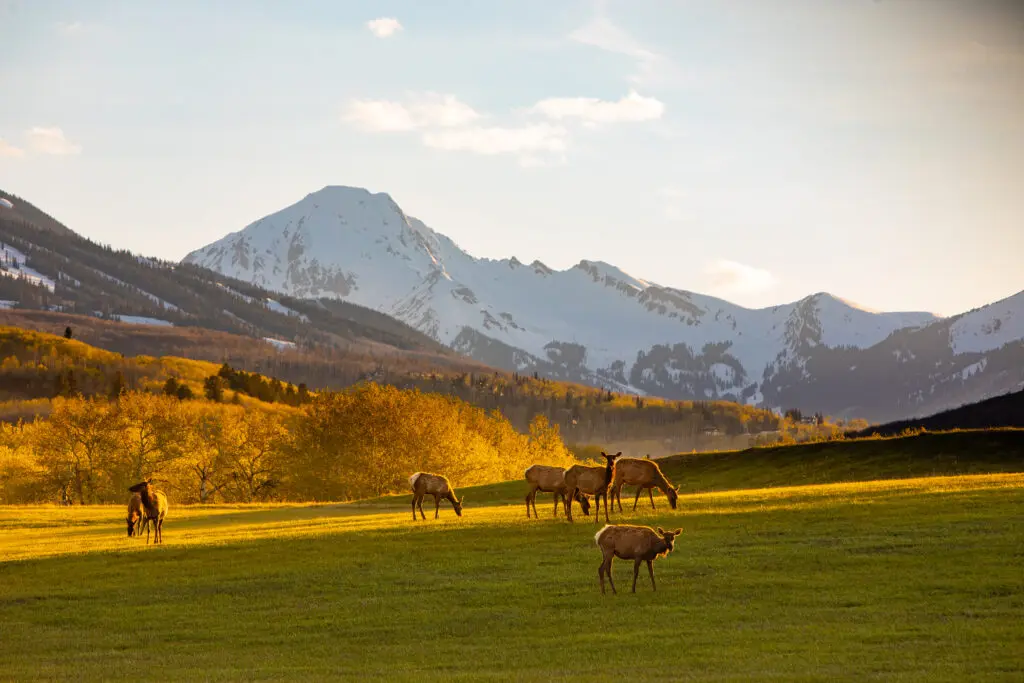
Jeremy Swanson photo.
The closures date back to 1994 and were born from the recognition that the growing recreational footprint and resort development in Snowmass were disrupting key elk habitat. In particular, the Avalanche Creek herd relies on the area to birth and rear calves in relative solitude. This period is a delicate balance: when calves are born, they are not able to move around easily and rely heavily on their mothers for nutrition and protection. Even one hiker or biker can unknowingly cause a mother elk to flee, risking abandonment of the calf or leaving it vulnerable to predators.
Recent studies show that the Avalanche Creek herd is in trouble. Cow-calf ratios—used to measure the number of calves that survive their first year—have dropped from over 60 calves per 100 cows in the early 1990s to around only 30 today. This decline can be largely attributed to habitat loss, increasing predator populations, and human disturbance. However, the trail closures that go into effect in the springtime are adopted to alleviate the stress on these animals, with the goal of bringing their populations back to a stable position in the coming years and decades.
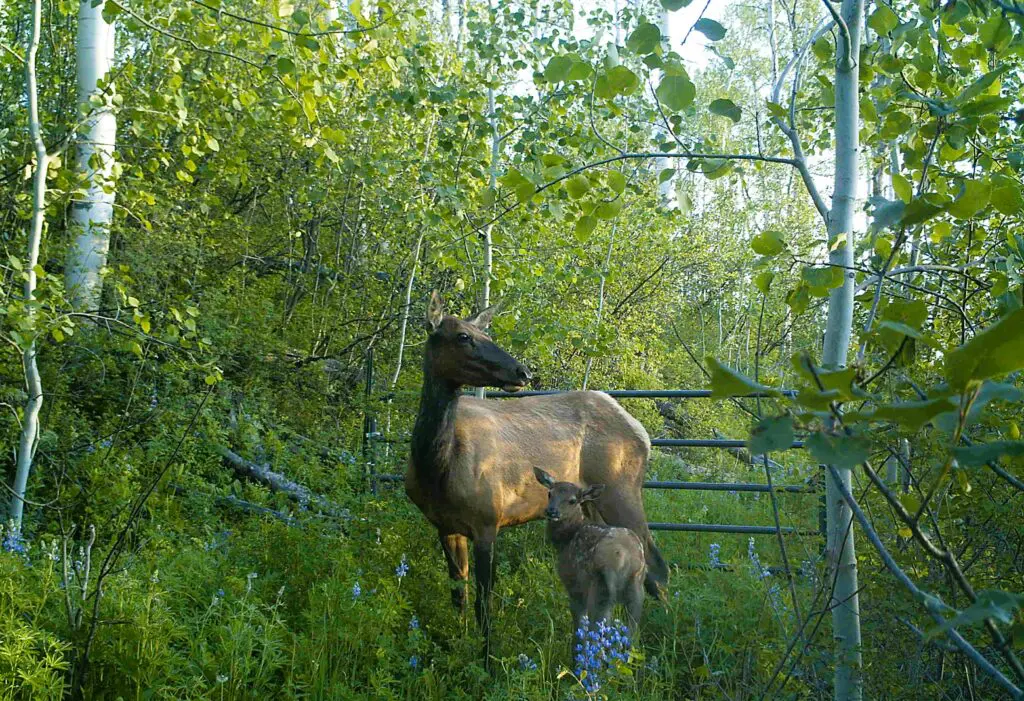
Photo courtesy of Town of Snowmass Village Animal Services. Captured via wildlife camera.
The wildlife closures in Snowmass are not only for the elk to raise their young without disturbance, but they also benefit other animals who call Snowmass home. During the springtime, mule deer, moose, black bears, foxes, and more furry and feathered neighbors benefit from having a slice of uninterrupted wilderness. Wintertime is a challenge for most animals, and in the spring they are hungry and eager to build up their energy stores. Additionally, many are rearing young, and the less human activity is present in their home, the better off their babies will be. Reducing stress on animals during such a vital life stage supports overall ecosystem health, from genetic diversity within a given population to disease resistance and biodiversity.
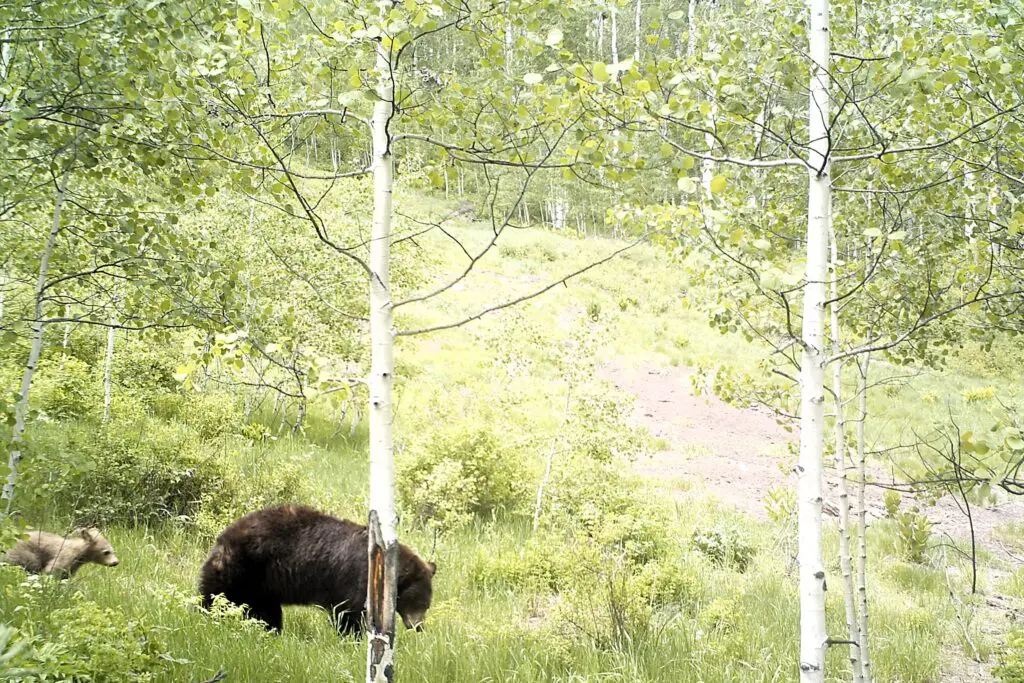
Photo courtesy of Town of Snowmass Village Animal Services. Captured via wildlife camera.
“This closure creates one of the few sanctuaries left where animals can go without the risk of disturbance,” said Phil Nyland, USFS wildlife biologist who works closely monitoring the Avalanche Creek elk herd. “We may think we’re just one person passing through, but the data show that even a single trail user can cause significant disruption to cows and their calves.”
Winter came and went faster than anticipated and it was abnormally try. This means that the trails are drying out faster. However, it is essential to respect these trail closures that have been set by wildlife experts, and they remain the same as last year with good reason.
As both a community and destination, Snowmass takes pride in being a place where world-class recreation and thoughtful conservation intersect. Spring trail closures are a testament to that balance. Partnerships between the Town of Snowmass Village, U.S. Forest Service, Colorado Parks and Wildlife, and Aspen Skiing Company reflect a long-standing commitment to environmental stewardship.
So while the trails may be quiet now, it’s for good reason. Our favorite meadows and forests are bustling with new life and animals gearing up for summer. By giving them space today, we ensure they’ll still be part of Snowmass tomorrow—and that they will be around for us to admire from a distance!
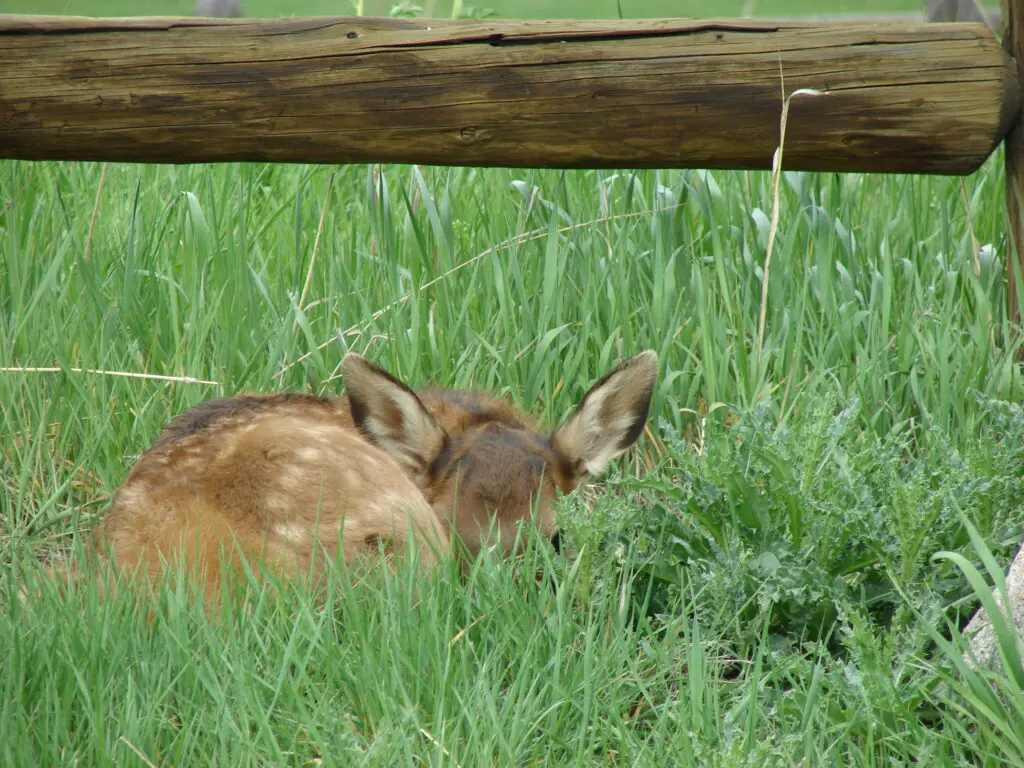
Photo courtesy of Town of Snowmass Village Animal Services.
Anaerobic Nightmare Trail: April 25 through June 27 (opens 28th)
Sequel Trail: April 25 through June 20 (opens June 21st)
Tom Blake Trail: April 25 through June 20 (opens June 21st)
Government Trail east of Elk Camp Work Road: May 15 through June 27 (opens June 28th)
Vista Trail from Powerline Trail to Government Trail is closed April 25 through June 20 (opens June 21)
Vista Trail from Government Trail to the Elk Camp Restaurant is closed May 15 through June 27 (opens June 28)
Rim Trail North: December 1 through May 15 (opens May 16)
Seven Star Trail: December 1 through May 15 (reopens May 16)
Viewline/Deadline Trail: December 1 – May 15 (opens May 16)
Let’s give our wild neighbors the time and space they need. The trails will be ready to enjoy soon enough.
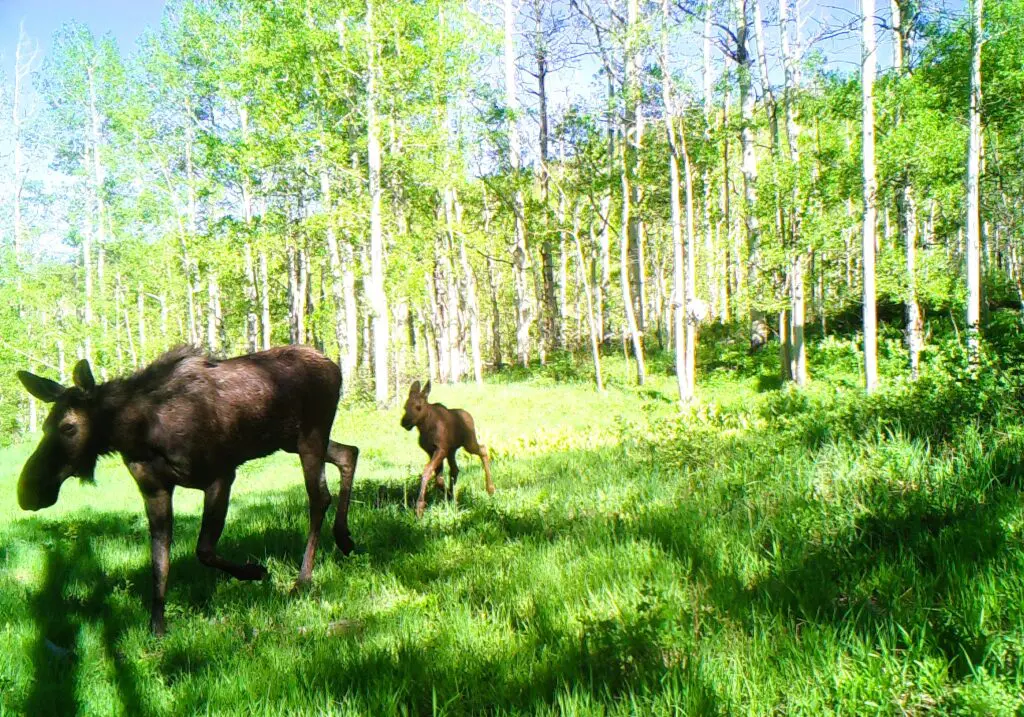
Photo courtesy of Town of Snowmass Village Animal Services. Captured via wildlife camera.