Get Inspired
The Ice Age in Snowmass: Returning Summer 2027

Digging for More Bones: The Ice Age in Snowmass
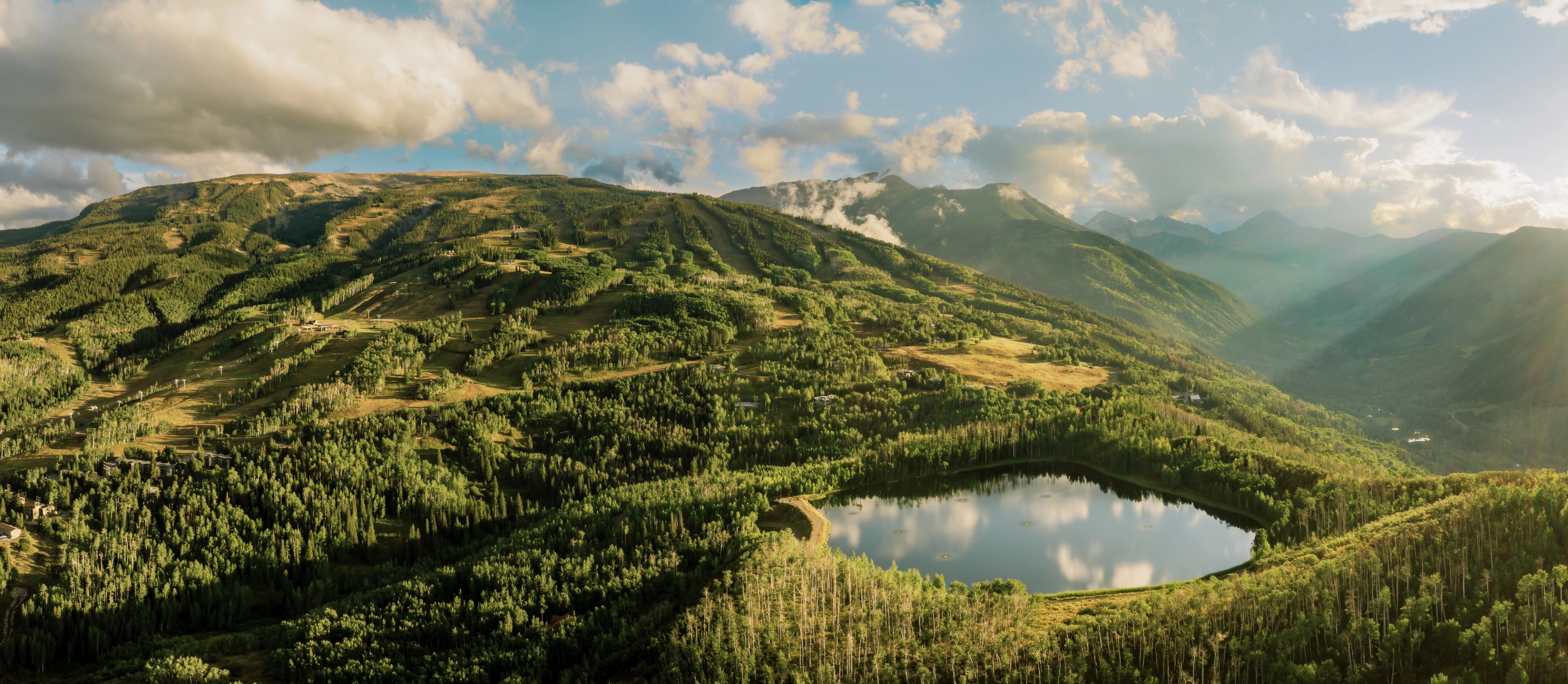
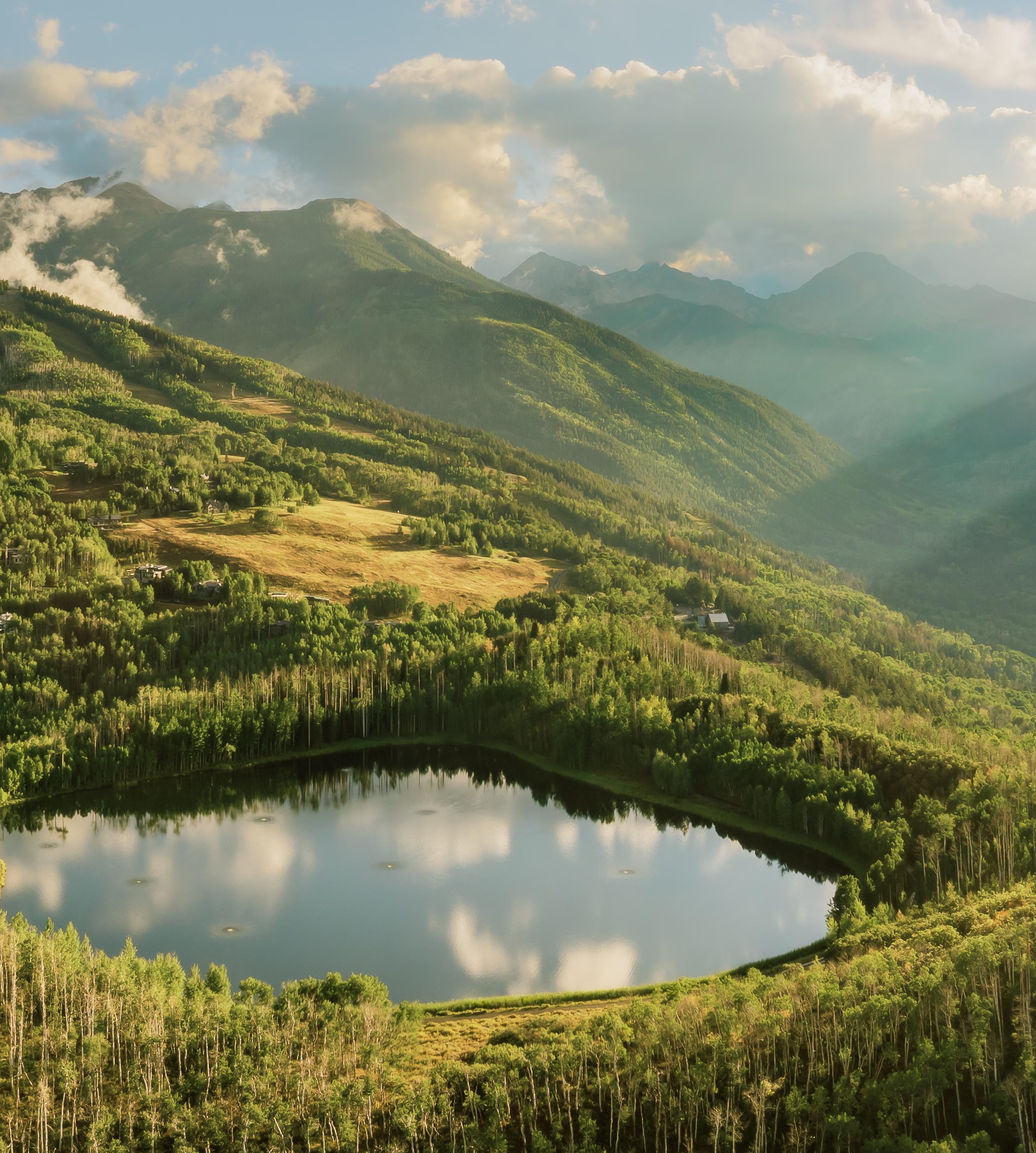
Snowmass Village looks back in time once more to the Ice Age: Ziegler Reservoir, the site of one of the richest Ice Age fossil finds in the world, will undergo an enhancement in summer 2027. While the technical necessity of this project is to boost the town’s water storage by 40 million gallons, scientists have a rare opportunity to expand their findings at the reservoir with a second paleontological excavation. There will be an active dig at Ziegler from May through September 2027, in partnership between the Snowmass Water & Sanitation District, the Town of Snowmass Village, and the Denver Museum of Nature & Science (DMNS).
The Backstory
In the reservoir’s first expansion in 2010, a construction crew unexpectedly unearthed a mammoth tusk while excavating. Construction was halted and DMNS contacted. What ensued over the following months was nothing short of spectacular for a modern discovery: scientists unearthed more than 6,000 large animal bones and 30,000 small animal bones, all of which belonged to Ice Age mammoths, mastodons, giant ground sloths, and bison. Smaller fossils of plants and insects were also found, revealing nearly 85,000 years of history. The project earned the nickname “Snowmastodon” due to the abundance of mastodon bones– more than 35 individuals, the most ever found in one place in the world.
What makes the 2027 dig so exciting? Scientists believe the site contains many more fossils that have yet to be unearthed. With new scientific tools nearly two decades after the first dig, researchers have a chance to add more detail to the environmental story. The paleontological site in Snowmass will continue to inform a deeper understanding of how plants, animals, and climate transformed together through this significant epoch of history.
Summer 2027 will be a special time to visit Snowmass, while an active paleontological dig is just a few hundred yards from the village and Snowmass’ hiking and biking trails. Snowmass Tourism will be sharing more details on opportunities to see and learn about the excavation in real time, so stay tuned.
Until then, there are several ways to dig in on Snowmass’ Ice Age history.
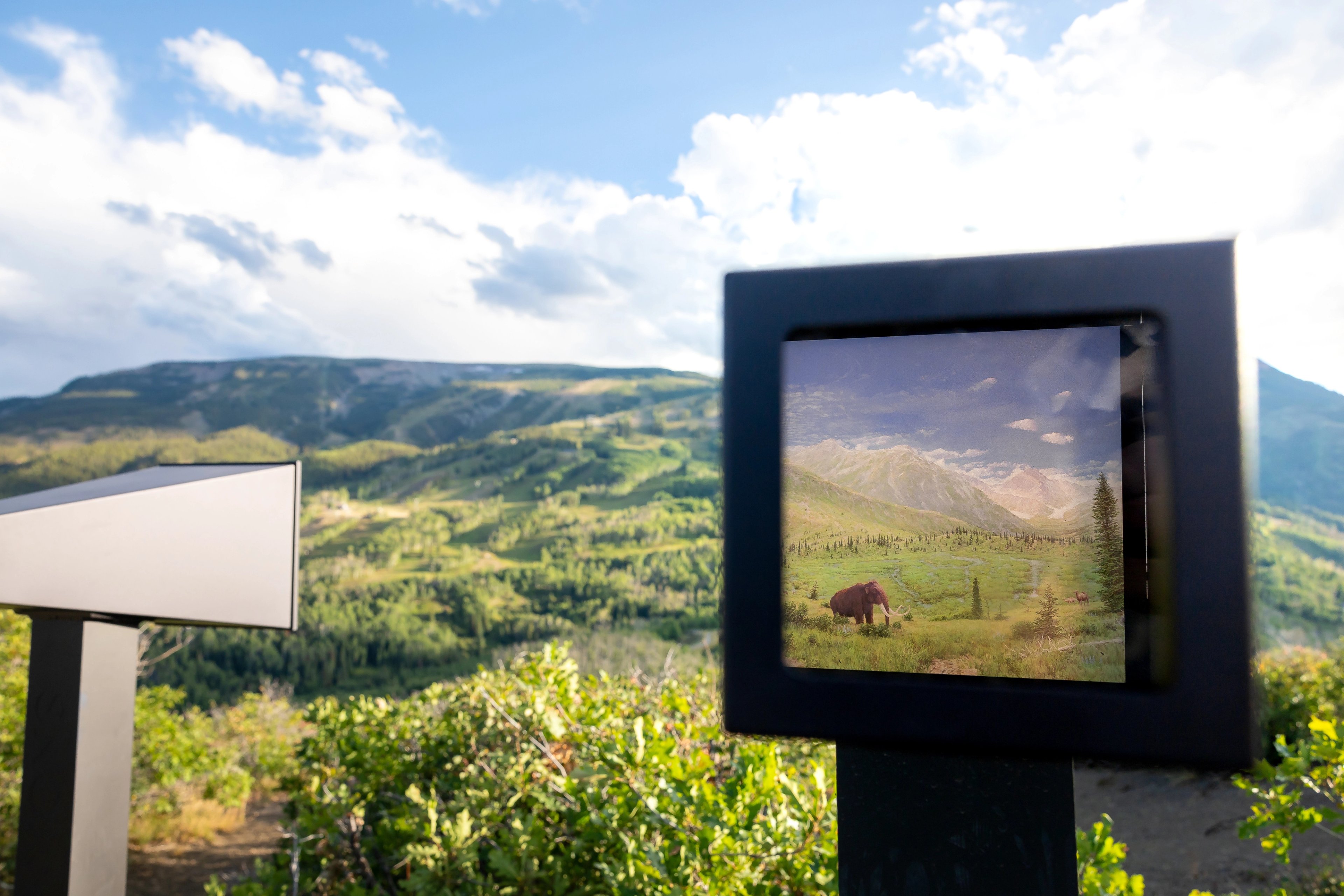
This summer (through September 27, 2026):
Join a guided Ice Age Explorer Tour around Snowmass Village, Fridays at 3:30pm
Hike the Discovery Trail with ACES on a guided tour, offered Saturdays and Sundays at 1:00pm
Prefer to go at your own pace? The Discovery Trail and the Ice Age Passport Walk around the Village are both available as self-guided experiences at any time.
Join Science in Snowmass, September 11–12, 2026, a weekend dedicated to celebrating discovery in the mountains.
This winter (November 26, 2026-April 11, 2027):
Join a guided weekly Ice Age Explorer Tour or take the self-guided Ice Age Passport Walk around the Village.
Dig Deeper
Ice Age Returns
See details about Ice Age Returns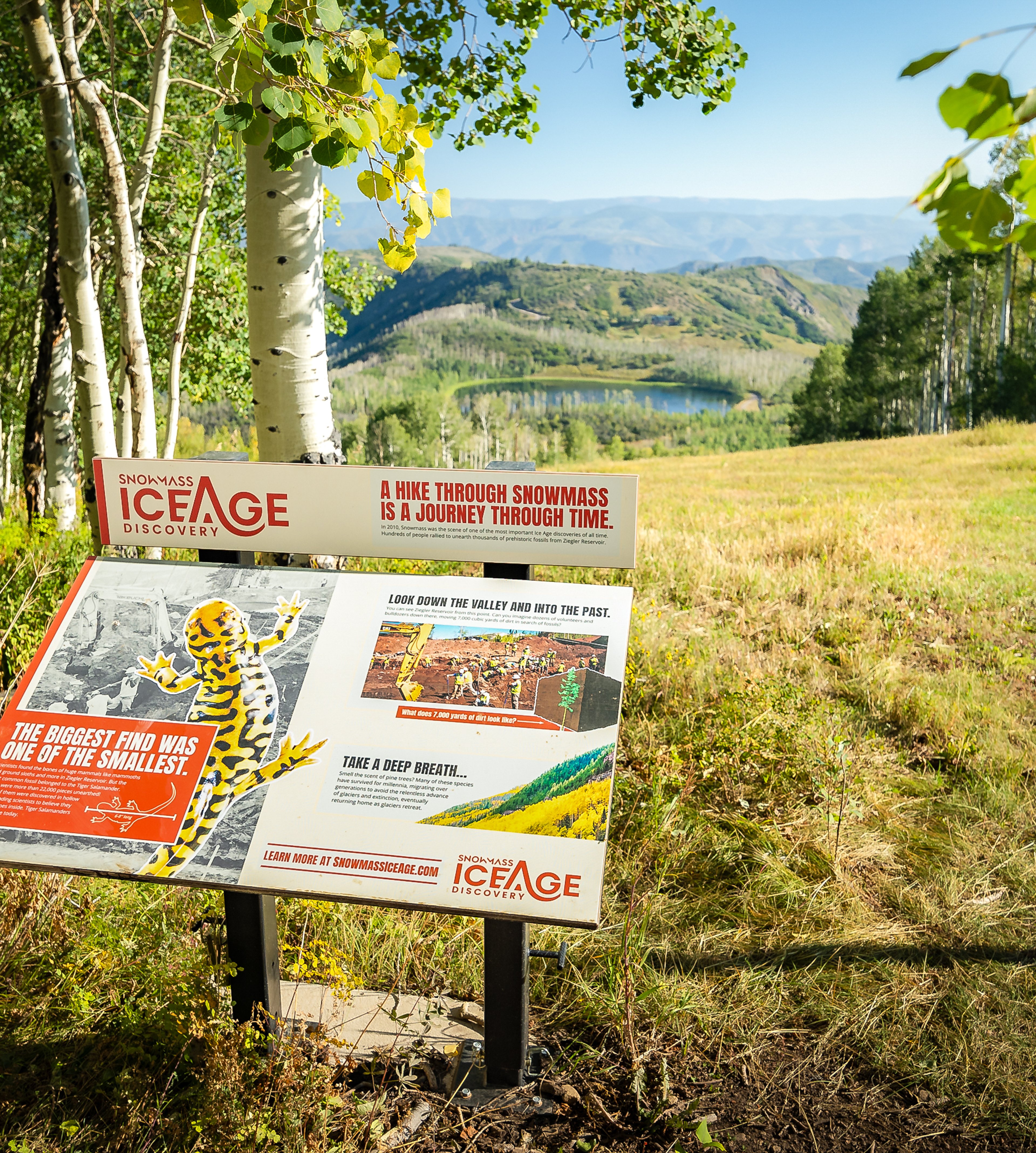
Snowmass Ice Age Discovery
See details about Snowmass Ice Age Discovery
Every Tuesday
Ice Age Explorer Tour
Join for 90-minute guided tour led by an Aspen Science Center educator & delve into the remarkable history of the Ice Age.